
Brittany Cosme
LCSW, LICSWDistrict of Columbia · 4 yrs exp
LICSW - Depression and Grief
Stress, Anxiety · Family · Grief · Self esteem · +11 more
Read profileTherapist listings come from BetterHelp. If you use our links to sign up, we will earn a commission at no extra cost to you.
Profiles on this page are grouped under the listed location District of Columbia so you can compare focus areas, approaches, languages, and professional credentials. Browse the profiles below to learn more and contact any practitioner whose description matches what you need.
District of Columbia · 4 yrs exp
LICSW - Depression and Grief
Stress, Anxiety · Family · Grief · Self esteem · +11 more
Read profile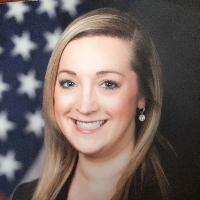
District of Columbia · 15 yrs exp
LICSW - Relationships and Depression
Relationship · Family · Trauma and abuse · Self esteem · +12 more
Read profile
District of Columbia · 35 yrs exp
DC Psychologist - Depression and Relationship concerns
Relationship · Family · Intimacy-related issues · Self esteem · +12 more
Read profile
District of Columbia · 15 yrs exp
Licensed social worker - Depression and Anxiety
Stress, Anxiety · Relationship · Family · Trauma and abuse · +9 more
Read profile
District of Columbia · 16 yrs exp
LICSW in District of Columbia - Depression and Anxiety
Stress, Anxiety · LGBT · Relationship · Family · +6 more
Read profile
District of Columbia · 8 yrs exp
LPC - Depression and Anxiety
Stress, Anxiety · Relationship · Family · Self esteem · +1 more
Read profile
District of Columbia · 20 yrs exp
Licensed Professional Counselor - Depression and Trauma
Trauma and abuse · Self esteem · Bipolar · Depression · +1 more
Read profile
District of Columbia · 14 yrs exp
LPC in Washington DC - Depression and Anxiety
Stress, Anxiety · Grief · Bipolar · Depression · +1 more
Read profile
District of Columbia · 40 yrs exp
LICSW - Depression and Stress
Stress, Anxiety · Sleeping · Depression · Coaching · +1 more
Read profile
District of Columbia · 19 yrs exp
LPC in Washington, DC - Depression and Trauma
Addictions · LGBT · Relationship · Trauma and abuse · +11 more
Read profile
District of Columbia · 25 yrs exp
LICSW - Depression and Anxiety
Stress, Anxiety · Relationship · Trauma and abuse · Grief · +9 more
Read profile
District of Columbia · 10 yrs exp
LICSW - Depression and Anxiety
Stress, Anxiety · Family · Trauma and abuse · Grief · +12 more
Read profile
District of Columbia · 11 yrs exp
Licensed Professional Counselor - Stress and Depression
Stress, Anxiety · Family · Trauma and abuse · Self esteem · +1 more
Read profile
District of Columbia · 26 yrs exp
Licensed counselor - Depression and trauma
Stress, Anxiety · Trauma and abuse · Self esteem · Depression · +7 more
Read profile
District of Columbia · 20 yrs exp
LPC in DC - Depression and Anxiety
Stress, Anxiety · Relationship · Self esteem · Depression · +1 more
Read profile
District of Columbia · 25 yrs exp
LPC in DC - Depression and Anxiety
Stress, Anxiety · Addictions · Family · Trauma and abuse · +13 more
Read profile
District of Columbia · 6 yrs exp
LICSW in District of Columbia - Stress and Depression
Stress, Anxiety · Relationship · Self esteem · Depression · +1 more
Read profileWhen you are dealing with low mood, loss of interest, tiredness, or a sense of hopelessness, day-to-day routines can begin to feel heavier. You might notice a drop in motivation at work, difficulty concentrating on tasks that were once manageable, or strained interactions with family and friends. Sleep and appetite changes often accompany these experiences, and relationships can become tense as partners and colleagues try to respond to shifts in your energy and behavior. You should know that reading profiles here does not diagnose you; it is a first step toward finding a professional to talk with about your experience.
If you are having thoughts of harming yourself or think you might be at immediate risk, please call the 988 Suicide and Crisis Lifeline in the United States right away. If you are considering medication as part of care, a medical doctor can discuss options and monitoring with you, because therapists listed on this directory do not prescribe medication. When you review profiles, look for language that aligns with your current needs and plan to confirm any clinical questions directly with a practitioner.
Profiles on this page are grouped by the listed location District of Columbia to help you narrow where practitioners indicate they work. That grouping is not evidence that a profile denotes an office, physical proximity, eligibility for every resident, or an active license in that location. You should check each individual profile and confirm with the practitioner that they have permission to work with you where you live. Contacting a practitioner to verify licensing and the setting in which they offer services is an important step before deciding to begin work together.
Academic degrees and professional permissions are different things. Seeing a PhD, PsyD, MD, MA, or MSW on a profile tells you about education, but a degree alone does not confirm current authority to practice. Licenses, registrations, or other legal permissions to provide care are separate and often listed alongside degrees. When a profile mentions a degree, ask the practitioner about the license or registration that allows them to practice in the District of Columbia or in your state if you are seeking remote care.
When you want to understand how a practitioner might work with your depression symptoms, prepare specific questions that let you compare profiles on meaningful points. Ask how the practitioner typically approaches work with low mood and decreased interest, and whether they have experience addressing impacts on work and relationships. You may ask whether they use particular models or approaches and remember to frame such questions carefully - for example, ask whether they list EMDR among their approaches rather than assuming they hold special certifications. You can also ask about the kinds of goals they often set with people who have symptoms like yours and how they measure progress in therapy. These direct, practical questions help you see whether a practitioner's description aligns with what you are looking for.
It is appropriate to ask about experience with specific life circumstances that matter to you, such as managing mood alongside caregiving responsibilities or workplace stress. If language access is important, confirm what languages are spoken in therapy. If you have cultural, religious, or identity factors that shape your needs, ask how those are considered in treatment planning. A clear conversation about approach and experience will give you a better sense of fit than assumptions based on a short profile blurb.
If you are considering remote sessions or an office-based arrangement, discuss practical and safety details up front. Confirm the practitioner has permission to work with you in your location and ask what they require in case of an urgent concern during a session. Talk through an emergency plan that fits your situation, and if you are in the United States, keep the 988 Suicide and Crisis Lifeline number readily available for immediate mental health crises. Clarify how the practitioner coordinates with medical providers if you and a doctor decide medication might be helpful, since therapists on this site do not prescribe medication and medical management is handled by doctors.
Before you start, you should also ask about how appointment communication is handled, what kinds of paperwork to expect, and how your privacy and data are managed. Use plain-language questions to understand whether sessions will feel like a conversation focused on problem-solving, a space to explore feelings and patterns over time, or a combination. These discussions will help you set expectations and decide whether a practitioner's working style suits the way you want to engage in care.
As you move through profiles, compare them by noting several concrete factors that matter to you. Look at focus areas to see whether a profile explicitly lists depression or related concerns such as low energy, loss of interest, or difficulty with motivation. Check language offerings to match communication needs. Review the stated credentials and then follow up to verify licenses or registrations that permit practice where you live. Distinguish degrees like PhD, PsyD, MD, MA, or MSW from the licenses that give a practitioner legal authority to provide care.
Also consider therapeutic style and tone in the profile text. Some practitioners describe a practical, goal-focused approach while others emphasize exploration of life history and emotional patterns. Profiles may note approaches they use, and you can ask whether a therapist lists cognitive behavioral strategies, interpersonal work, psychodynamic perspectives, or other methods among their approaches - remembering that a listing of an approach is not evidence of a particular certification or guaranteed emphasis. Finally, confirm scope of practice directly, because a listed topic does not establish that a therapist treats children, couples, or families. Discuss your goals and ask the practitioner whether those needs fall within their usual scope.
Taking time to compare profiles in these concrete ways will help you prioritize who to contact and what questions to bring to an initial conversation. Always verify licensure and permission to work with you in your location before making decisions about care, and reach out for immediate help if you are in crisis by calling the 988 Lifeline.
Addictions
1777 therapists
ADHD
1450 therapists
Anger
2267 therapists
Bipolar
1452 therapists
Control Issues
1252 therapists
Grief
2421 therapists
Guilt and Shame
2366 therapists
Impulsivity
1121 therapists
Intimacy Issues
1340 therapists
Isolation / Loneliness
2065 therapists
Mood Disorders
1798 therapists
Panic Disorder and Panic Attacks
1583 therapists
Post-Traumatic Stress
2075 therapists
Self Esteem
3375 therapists
Self-Harm
866 therapists
Social Anxiety and Phobia
2136 therapists
Stress & Anxiety
4211 therapists
Trauma and Abuse
3148 therapists
Abandonment
1203 therapists
Attachment Issues
1399 therapists
Body Image
901 therapists
Career
1440 therapists
Caregiver Issues and Stress
1240 therapists
Codependency
1127 therapists
Communication Problems
2713 therapists
Compassion Fatigue
1249 therapists
Coping with Life Changes
2092 therapists
Divorce
1368 therapists
Family
2501 therapists
Forgiveness
2054 therapists
Life Purpose
2229 therapists
Parenting
1945 therapists
Relationship
3123 therapists
Self-Love
2433 therapists
Workplace Issues
1207 therapists